22 October 2026 · 3 min read
Stage inspections and the QBCC Standards and Tolerances Guide
Builders must meet the guide when fixing work, but not all defects are a breach.
Services, roof and cladding checked before plasterboard closes the walls.
One of our inspectors will call you back.
If it is urgent, email [email protected]
Fully licensed & accredited
 Queensland Building & Construction Commission
 Australian Society of Building Consultants
 Strata Community Association
 Building Dispute Practitioners Society
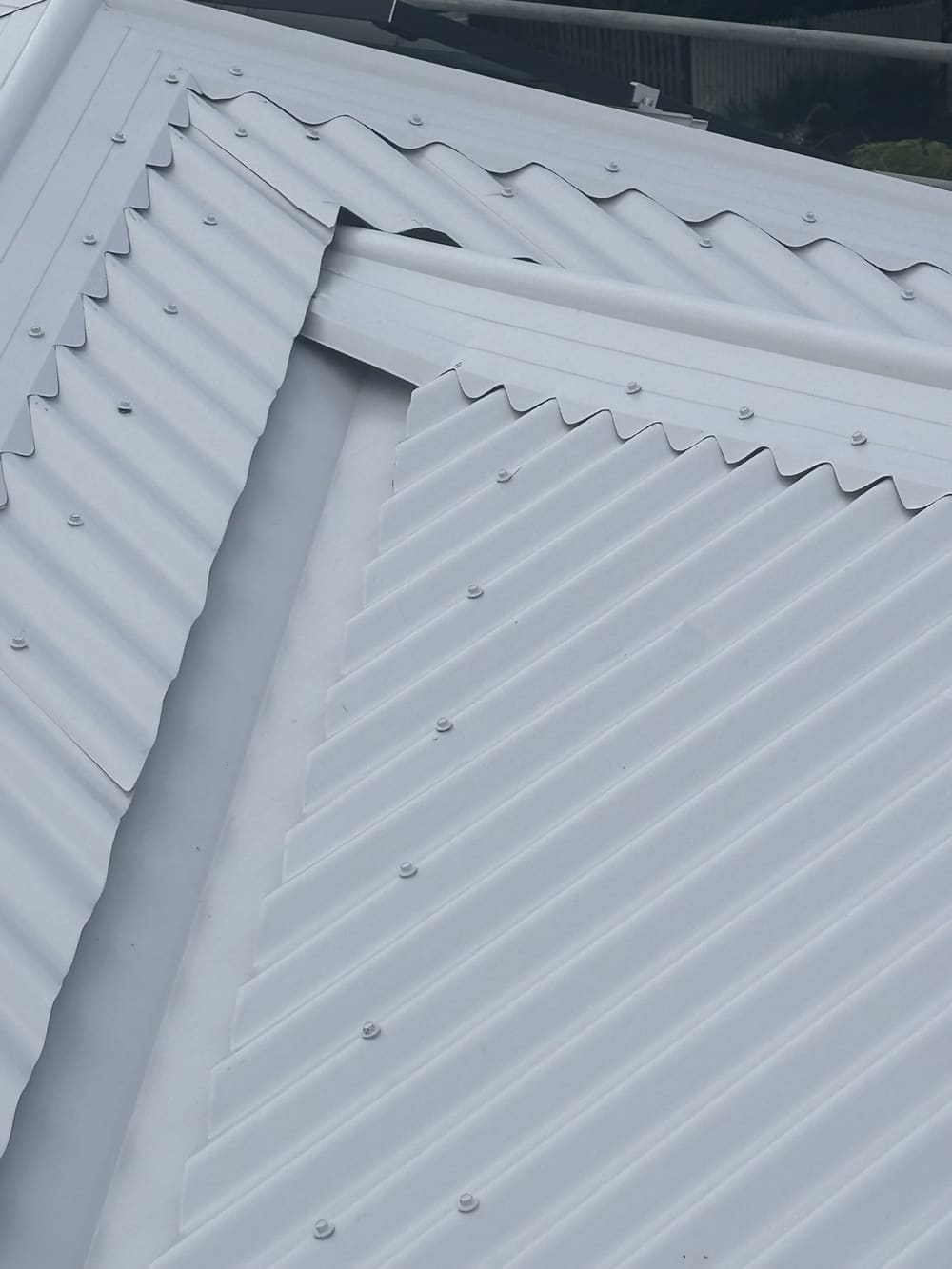
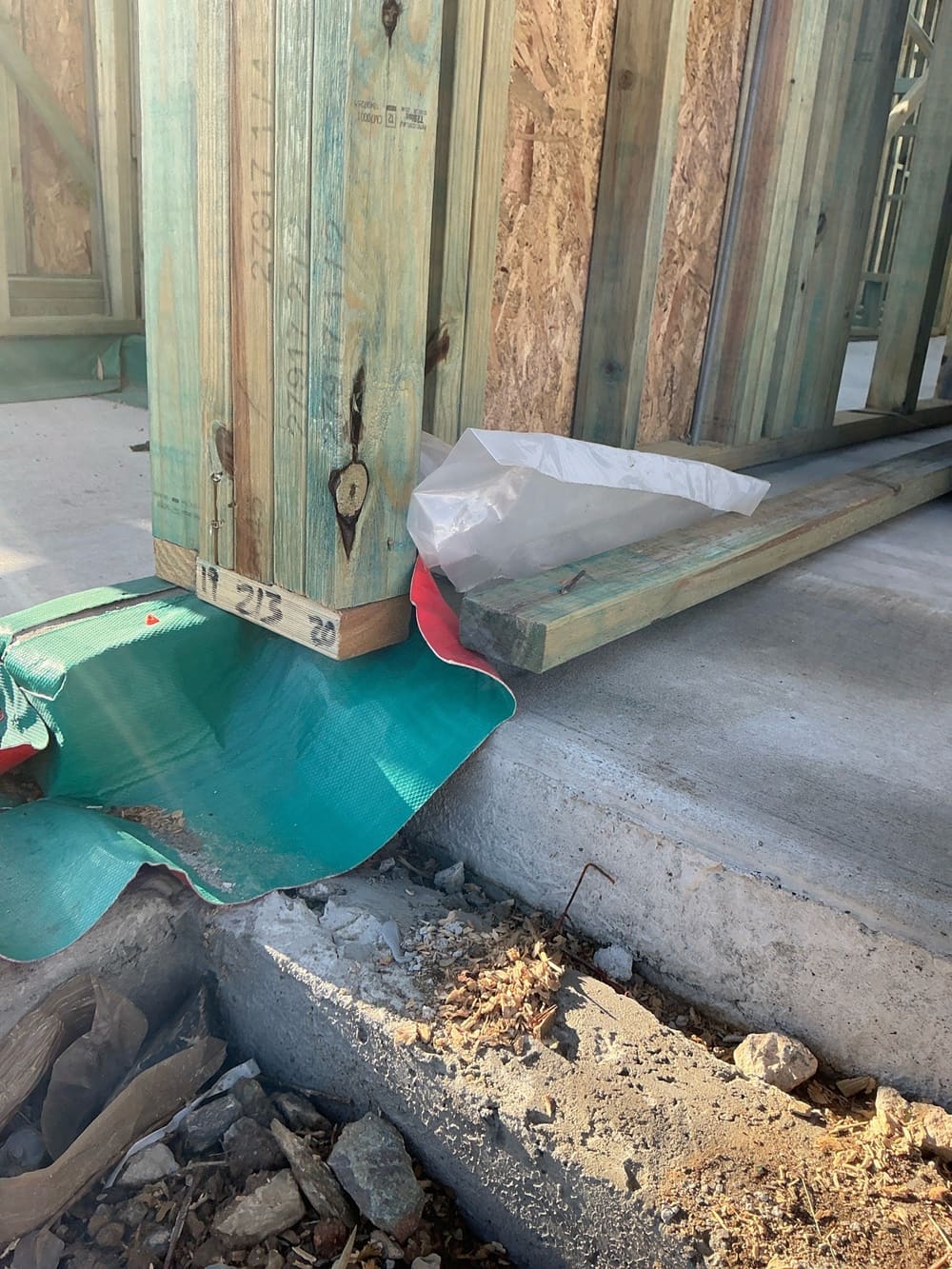
The Greenbank lock-up list focuses on structural and cladding details. Steel framing touching gas and water pipes with no separation. Electrical cables compressed against hot water pipes. Roof flashings stopping short of the opening, and the waterproofing over the cavity not turned up into the wall. The ridge capping is cracked and the valley flashing is loose.
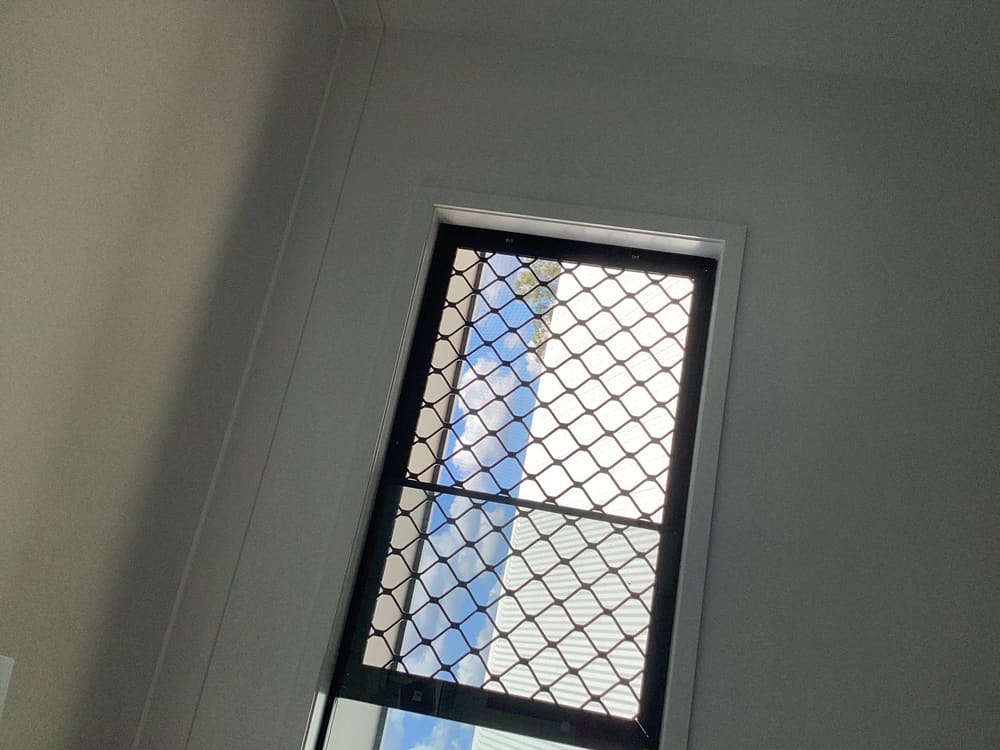
Annotated findings from Lock-up (pre-plaster) inspections.
 1Bored piersOnce the holes are dug, before the concrete pour
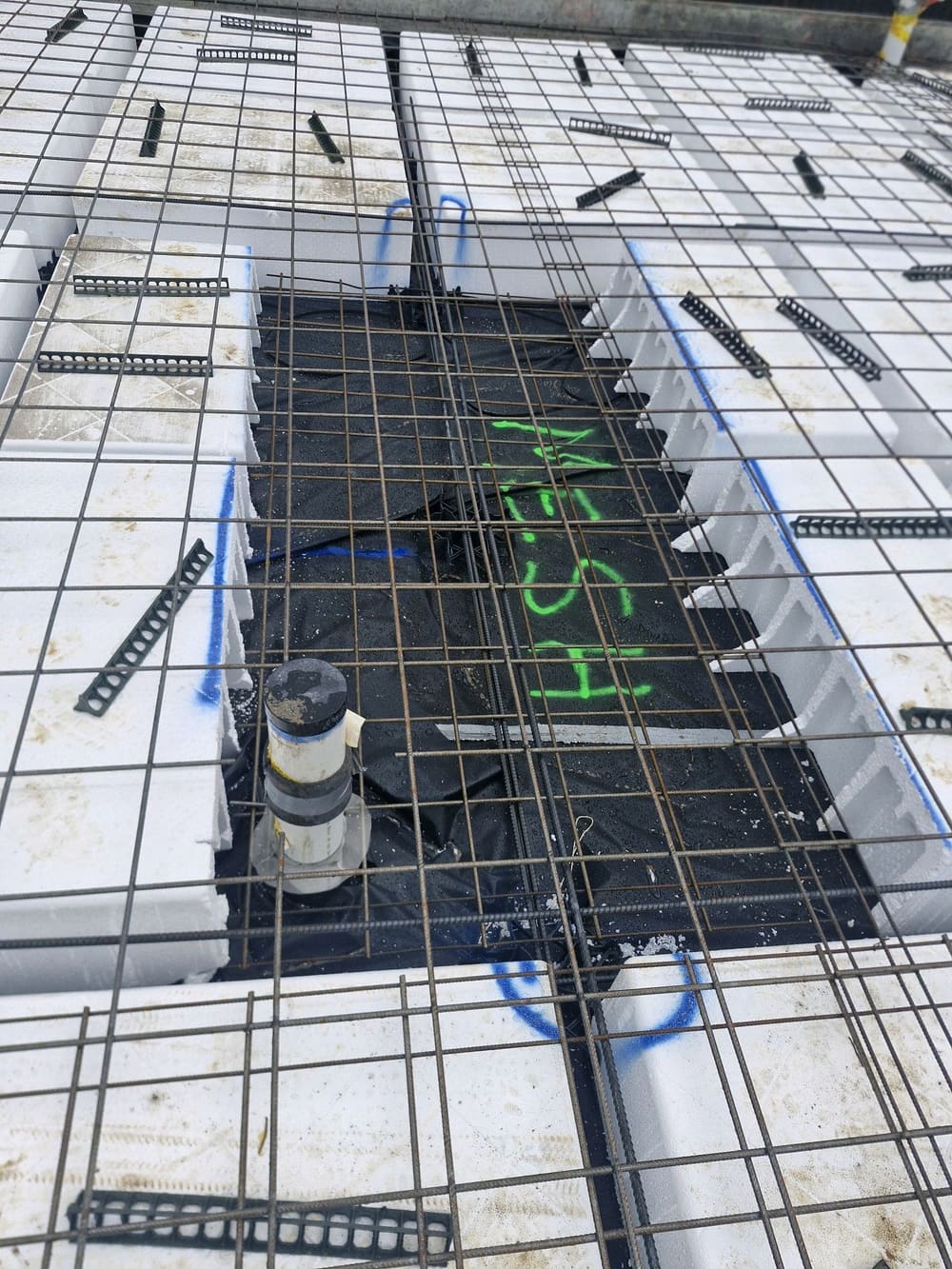
 2Slab pre-pourBefore the concrete arrives, once the mesh is laid
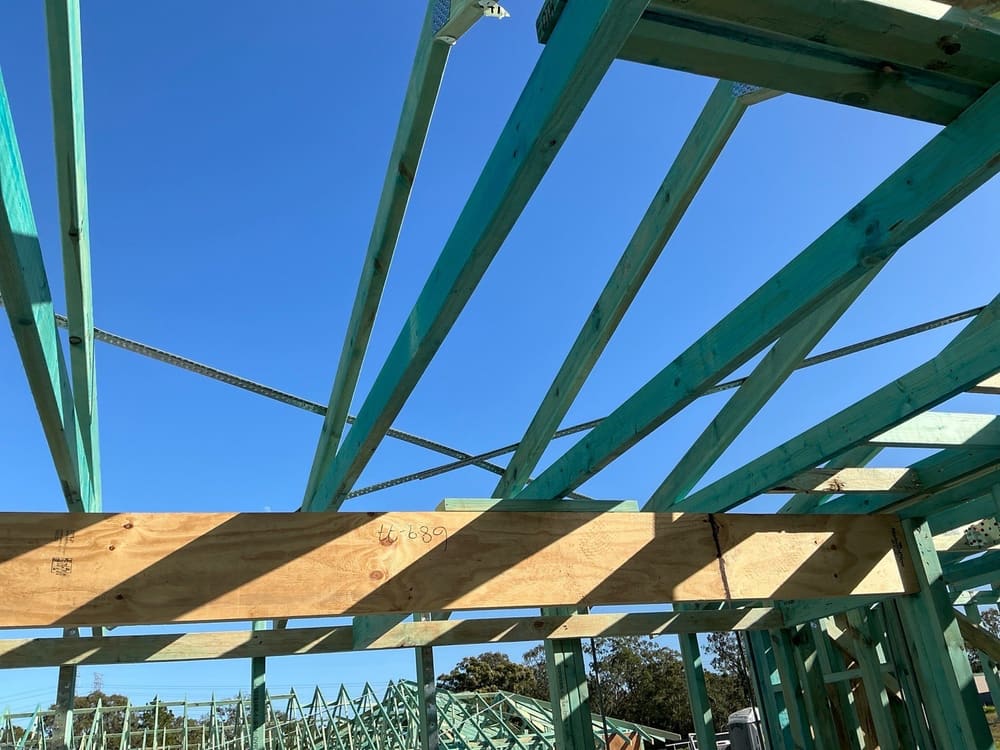 3FrameFrame and trusses standing, roof sheeted, before linings
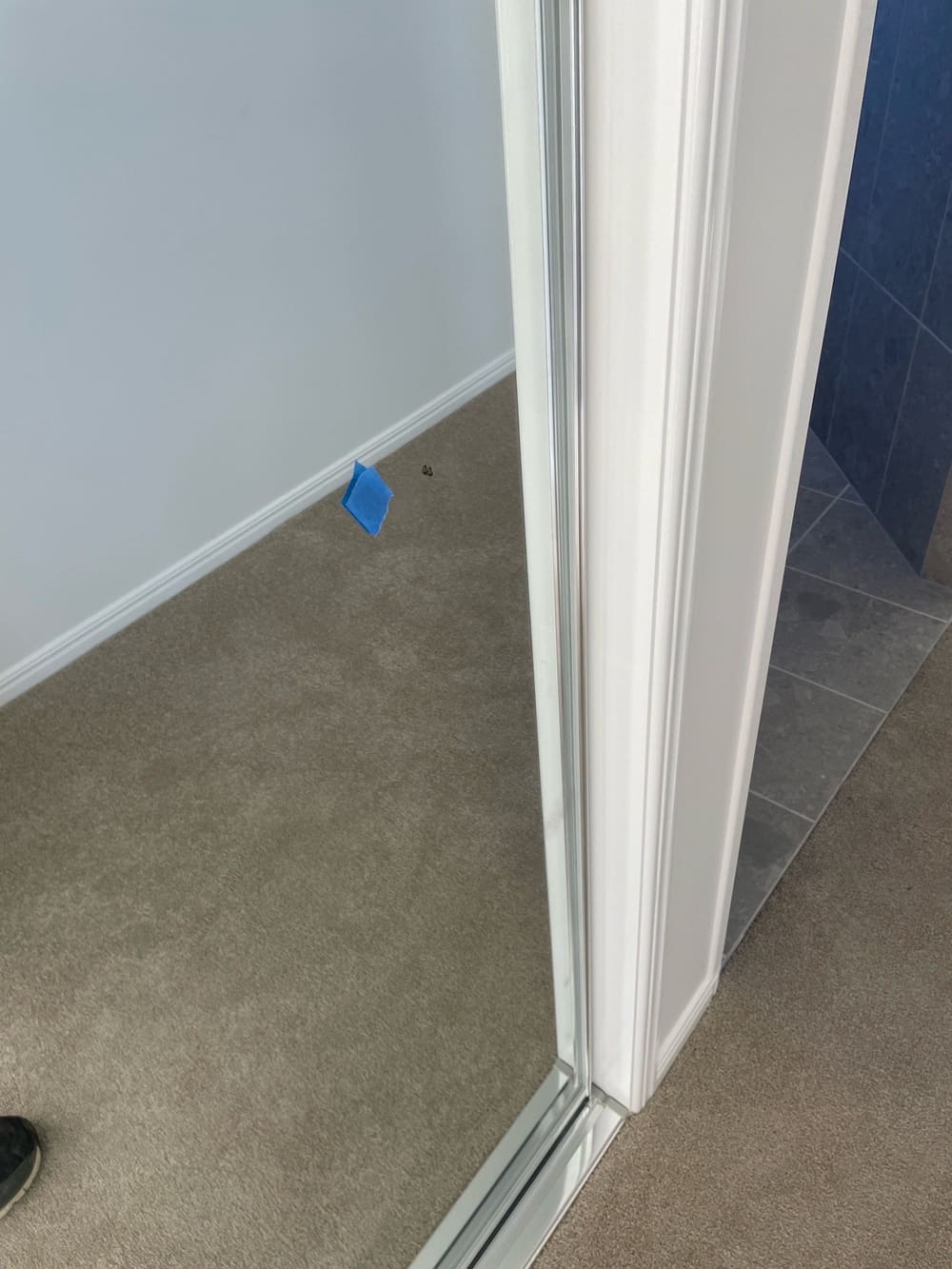
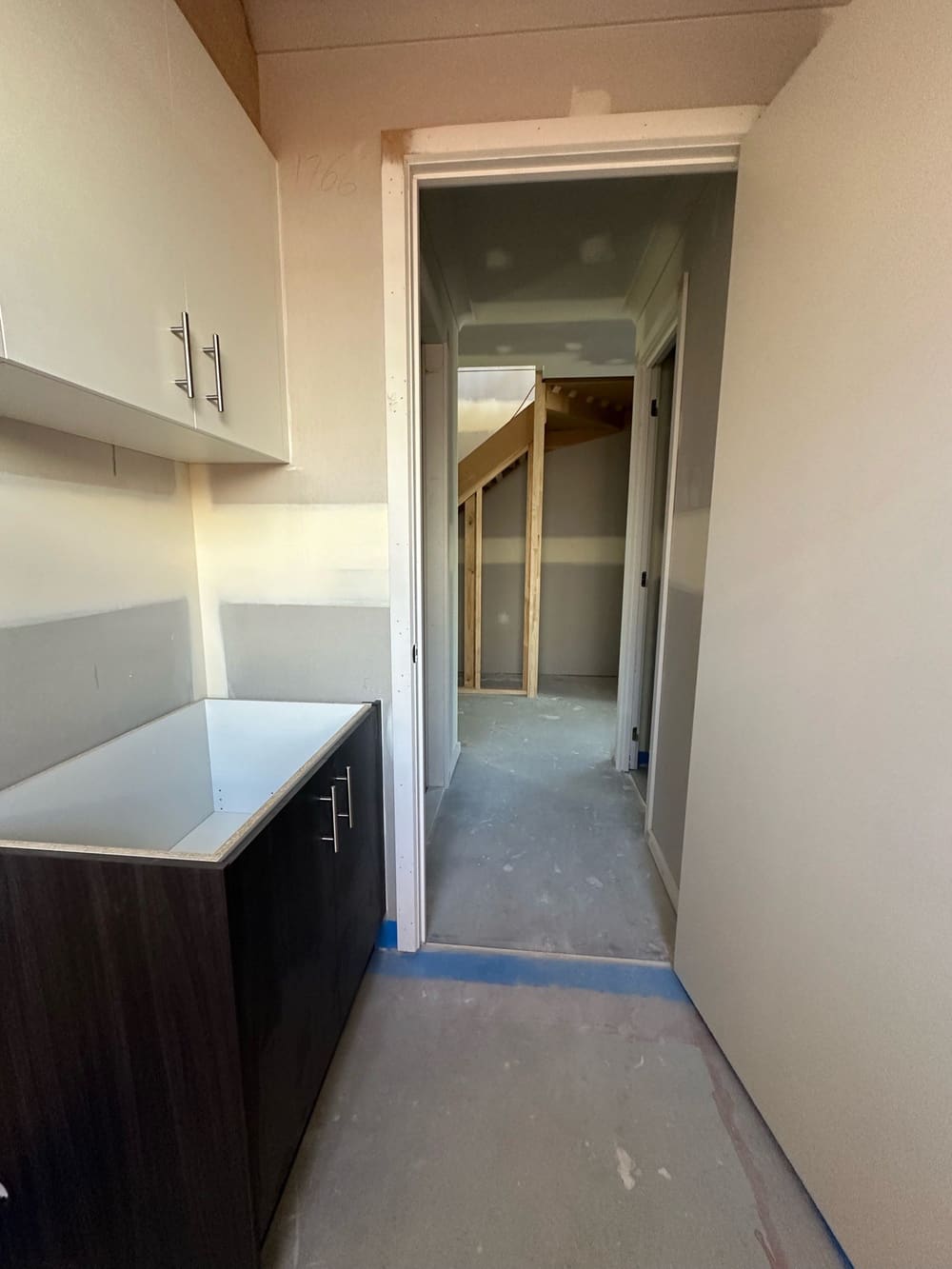 5FixingJoinery, doors and trims are checked before painting begins.
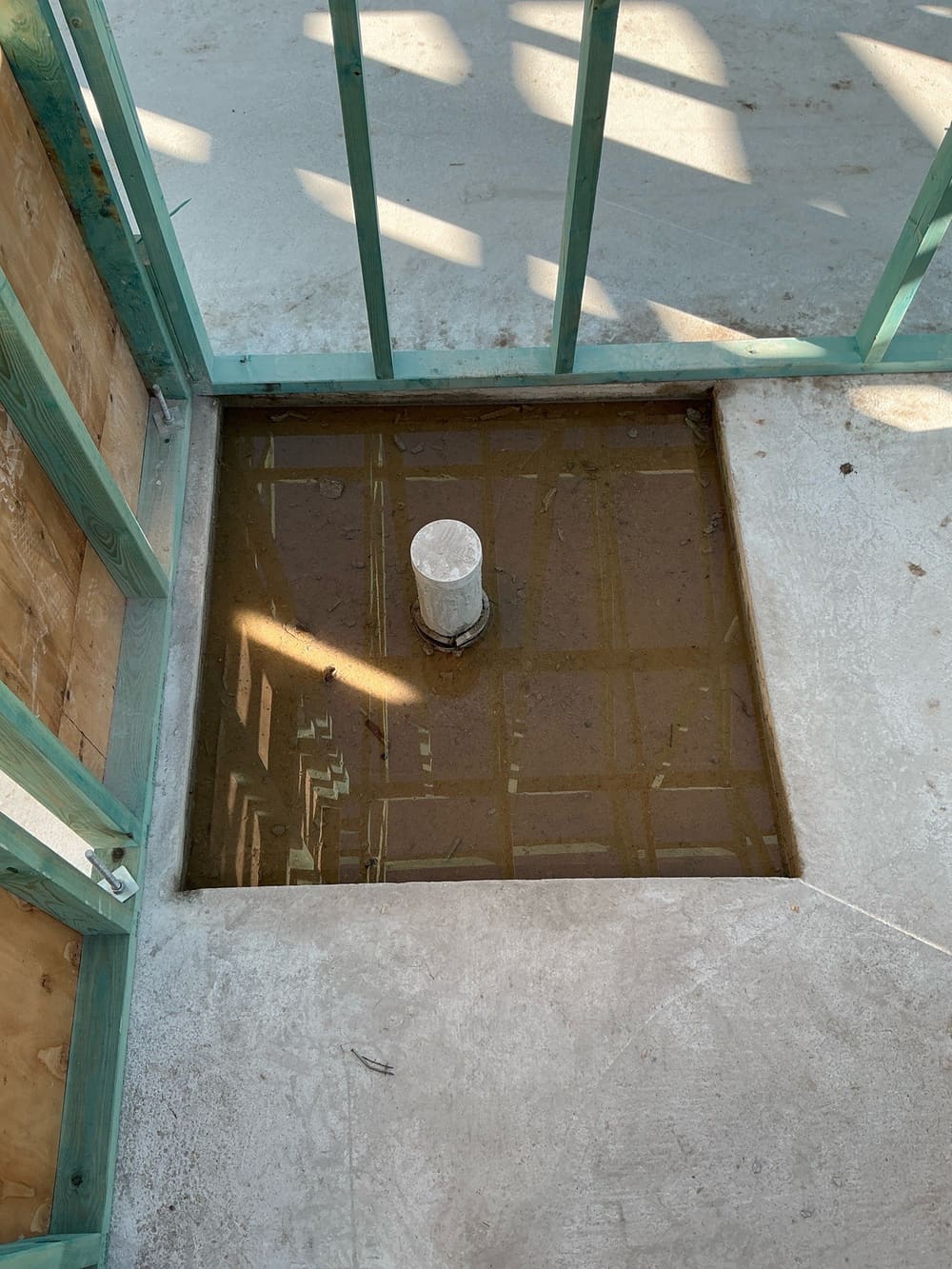
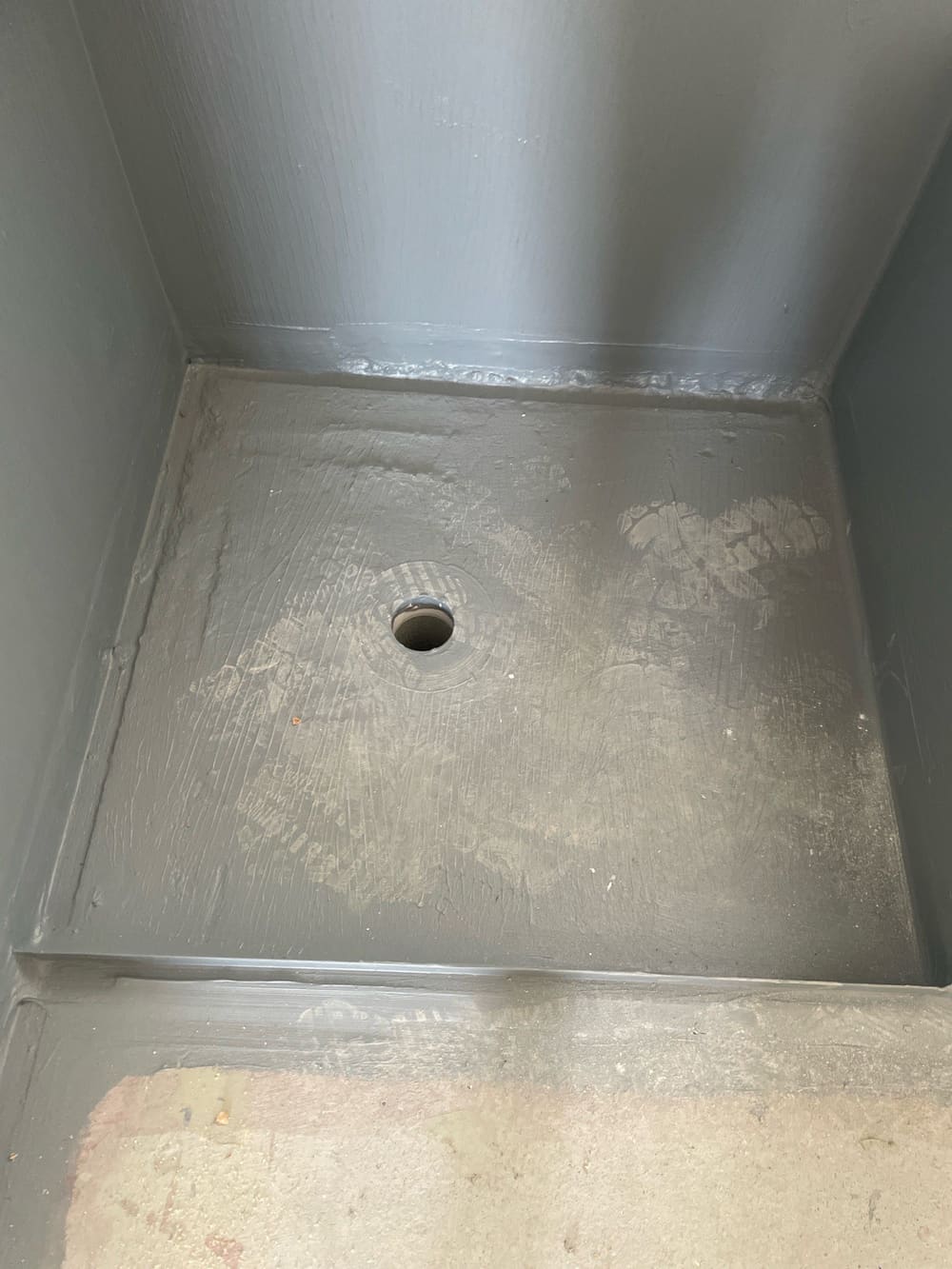 6WaterproofingMembrane inspection before tile work
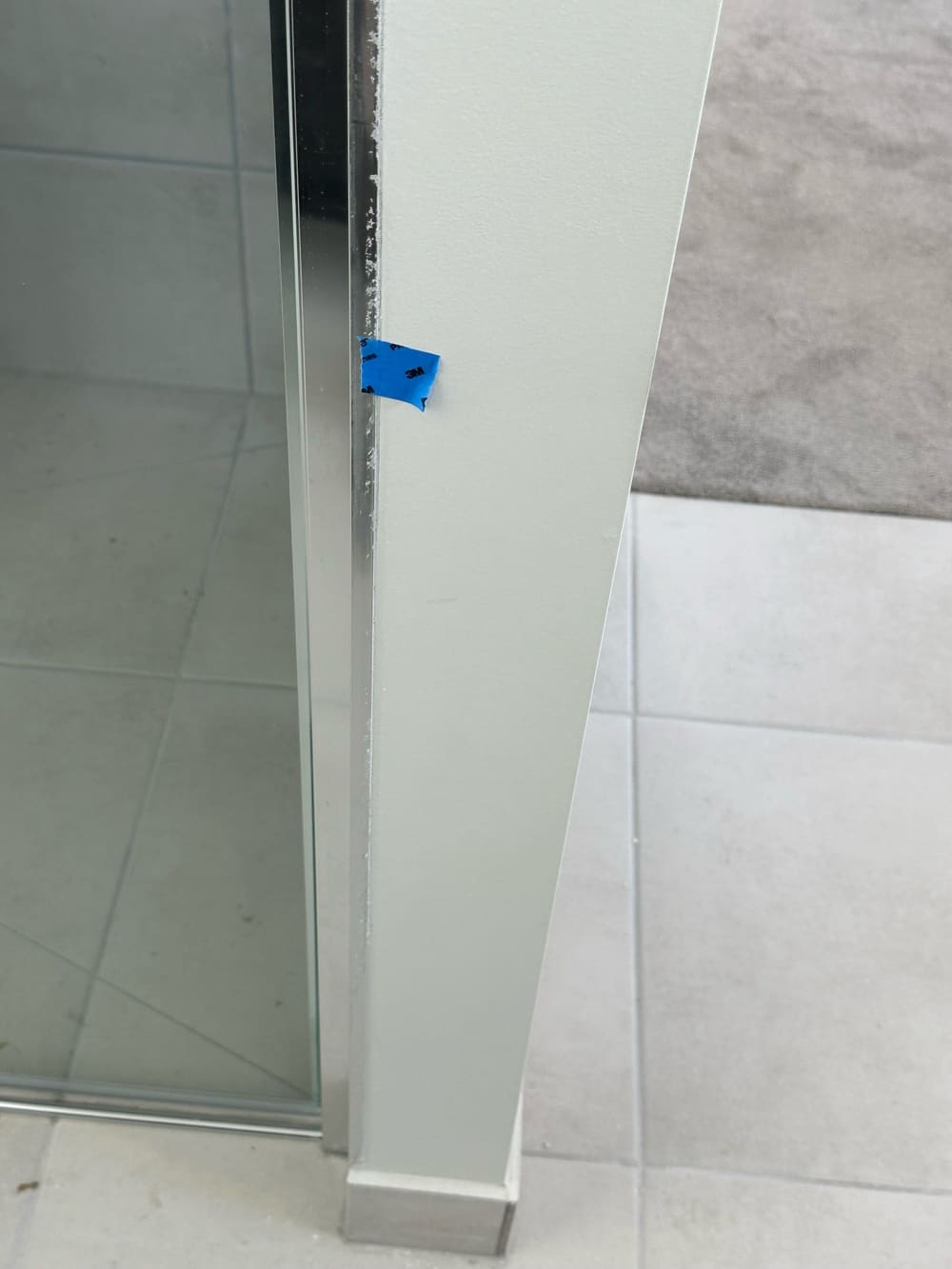 7Pre-handover (PCI)Book a final inspection before handover
22 October 2026 · 3 min read
Builders must meet the guide when fixing work, but not all defects are a breach.
3 October 2026 · 3 min read
A pre-purchase inspection finds the major defects a standard building inspection can miss.
14 September 2026 · 3 min read
The Greenbank real estate market shows high values and steady growth for home buyers.
Instant online pricing for Greenbank, or contact the booking team.
The builder can roll the membrane up into the wall easily now. Once plaster is up, you cannot see where the seal starts.
No. We document visible clearances. The installation itself must be done by a licensed electrician.
Allow one to two hours. A steep roof or double storey adds time.
We check them again and note if they are fixed or remain open.
Cracks are easier to fix before the tiles are on. A crack later can let water into the timber frame.
Usually yes. It is often just a clip or a small spacer the carpenter can add.